
How does the child’s environment affect integration?
The environment, which can be considered as the child or young person’s external world and the opportunities that are created as a result, affects both their evolving personal capacities and their social connectedness. For example, in Italy education is compulsory until 16 years old and all children are entitled to access education. However catch-up classes are not compulsory for schools to provide, and this means that in practice CYP may not be able to fully participate in classes. In Sweden, although all children have the right to education, education is not compulsory for asylum-seeking children.
Arrival and placement
For all CYP arriving in a new country, a key issue is their placement: where they will live, and how they will be cared for. In most situations there will be some kind of reception centre in which CYP will be temporarily placed on arrival until they can be processed. Reception centres may not necessarily be physical in nature: they may be an area or location that the CYP remains in until decisions are made (detention centres for CYP are not acceptable and alternatives should be sought, especially for younger children).

Reception experiences shape feelings and outlook
The CYP’s views and feelings about their situation are strongly impacted by the length of time they remain in reception and the support they receive, as well as the information given to them on arrival about processes and next steps.
Translation services must be carefully and purposefully arranged. After arrival, registration and legal processes may commence, and in some cases, age verification. While some CYP may have a sense of relief at having reached their destination, it is likely to be a time of overwhelm and confusion.
Having specialist services in one place can be practical, but this approach risks creating concentrations of CYP migrants, limiting opportunities to mix and delaying integration. Conversely, where CYP are dispersed to placements without a clear and resourced plan, they may not be able to access services that are specific to their needs. Connections to extended family or friends should always be considered in placement location, since this will have an impact on a CYP’s integration.
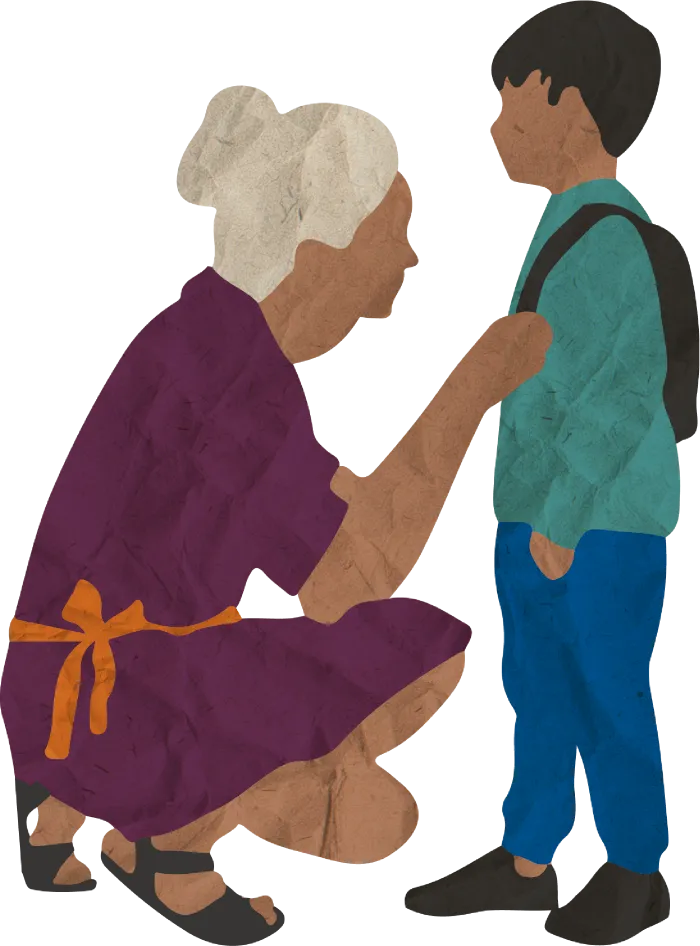
In principle, decisions about where a CYP is placed should be based on individual needs, but in practice, housing and care choices may be limited due to a lack of capacity in national systems. For example, CYP should ideally be placed in a family-based environment, such as foster care, but recruiting and training suitable foster carers is a challenge and may mean that it is prioritised for younger children, with young people left in less supported accommodation.
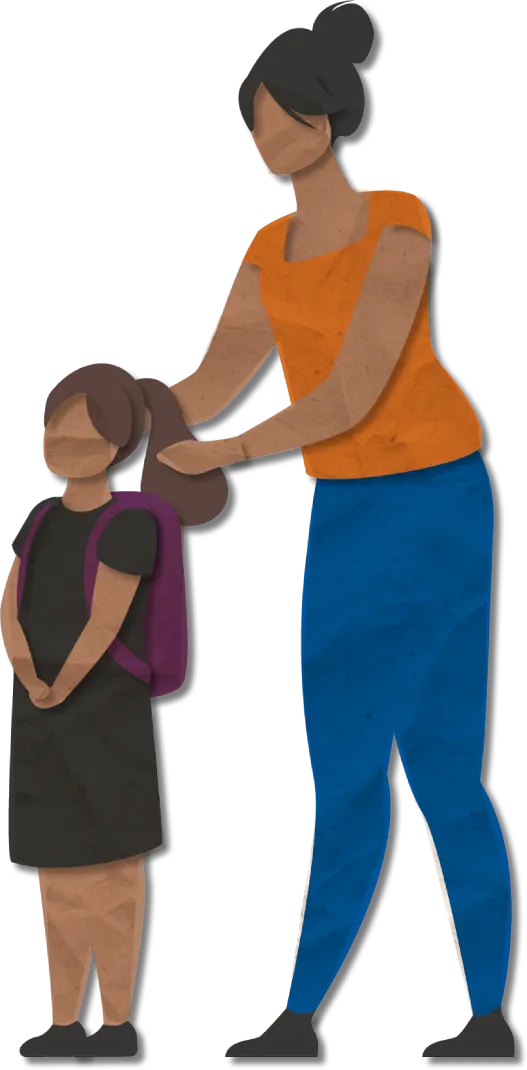
Foster care, with appropriately selected and trained foster carers, provides an environment for children in which their individual needs can often be more easily met.
Foster placements strengthen relationships and networks
In addition, foster placements can help children to develop strong relationships with significant adults and to make connections both formally and informally with wider support networks.
Education and training opportunities
However, older children who are used to a degree of independence may struggle with being ‘parented’.
While independent and supported living schemes may be appropriate for older young people, there must be a structured system to ensure appropriate support and supervision. Care choices may also be at odds with CYP’s own wishes, for example they may want to live alone or with friends, which may not be permissible under national frameworks, or not be deemed to be in their best interests.
Appropriate health care must be provided. This includes ensuring preventative services, including immunisation, dental treatment and eye checks. A lack of documentation must not prevent access to health services. CYP must also have access to psychological support and, where necessary, psychiatric treatment.
Religion plays an important role in the lives of many child migrants. Religious faith and practice can be both a source of continuity and a key support in dealing with challenging circumstances that are faced by many CYP. The religious beliefs of child migrants should be understood and integrated into support, including access to religious communities and opportunities to practise religion.
Social and cultural awareness
Orientation on social norms and expectations is important, and cultural mediators can play a useful role in helping CYP recognise behaviours and attitudes that may be at odds with the new country.
This may range from understanding what is considered good manners and social etiquette to more complex notions around gender, sexuality and relationships between sexes. This should not be interpreted as an attempt to ‘assimilate’ CYP to the new culture, or to give up their own, but to ensure that they are equipped to function within broader society in positive ways.
Key actions and considerations for service providers
- Expedite and advocate for the completion of reception centre/initial settling in-country as quickly as possible so that CYP can be located in long-term living/care arrangements as soon as possible.
- Ensure the care provision is based on the age and development of a CYP with a range of options available, such as independent living for older CYP and foster care for child migrants.
- Support and advocate for integrated education and access to local sports, recreation clubs and groups so that CYP can immediately begin to form links with their environment and peers.
- Develop vocational training schemes that are linked to local employers.
- Support language learning and catch-up classes to facilitate and complement integration in mainstream education.
- Ensure consideration of access to religious communities and opportunities to practise religion.
- Recruit and train cultural mediators – including volunteers from the community – who can support children’s integration and assist with understanding social norms.
- Consider recruiting volunteers who can support and run activities for children to give them opportunities to develop skills and also their social networks.
- Coordinate with health providers to ensure that children can access medical care, including preventative services and mental health support if required.