
The Family for Every Child Model of Integration
The model of integration is comprised of six dimensions that that need to be considered when supporting a child or young person's integration in the country where they currently live, recognising that the duration of their stay may be limited and that children may themselves plan to move to another country or have to return back home at some point. The integration model considers the CYP in a holistic way and with a family focus. It emphasises the child's autonomy and personal capacities together with their environment and social connectedness, while also exploring the influence of the family and the impact this has on the CYP's motivations and decision making. It recognises the importance of connecting children with their families and providing services to support families where appropriate (for example in helping them to cope with changes in their child's behaviour as a result of the uncertainty of movement). The model also emphasises the need to take into account the impact that the child or young person's experiences has on their life – not only their experiences in-country, but also those that are gathered on the move and prior to movement, and which must be considered in all responses.
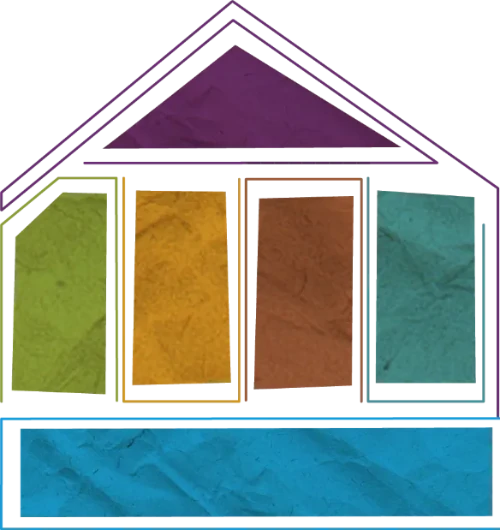
Each dimension of the model is explored in a separate section in the toolkit. Each section includes:
- Key actions and considerations for service providers and actors responsible for supporting the integration of child migrants. These might be specific actions to take, issues to explore or other important factors that need to be considered, such as partnership arrangements or the design of activities and programmes.
- A narrative explaining the dimension, its main elements, and why these are important considerations for supporting integration. This narrative aims to set the key considerations and the associated practice points in context.
- Links are included in the narrative to resources which provide further information and to tools and resources for practitioners. Since the aim is not to replicate or duplicate good information that is available elsewhere, where possible such resources are signposted. In other cases, there is a gap in existing knowledge and practice and a need for new tools or guidance in the future.
- Practitioner toolbox containing:
- Practitioner points for those working directly with CYP to help them in their daily practice.
- Key resources that relate to the dimension.
- Practice examples illustrating how one or more issues from the dimension have been translated into action.

Comprehensive Approach to CYP Integration
Ideally, when supporting the integration process of CYP, all dimensions of the model should be considered; however, depending on the service being provided, it may be that one or two dimensions are a particular focus for action.
Remember!
Irrespective of the dimension being considered, two particular issues are important to keep in mind and should underpin all actions in line with the Guiding Principles for Practice:
The focus should be on the needs of children and young people, rather than service provision.
Assessments of the child or young person and consequent care planning/service provision should be needs-based. As well as more appropriately addressing CYP's needs, working from a needs based approach gives scope for more creatively identifying how to meet needs. This can help harness other sectors and community members and groups which may not traditionally be considered as service providers.
The integration model does not set timeframes for integration
Rather the focus is on systems and service provider approaches and preparedness at all possible points along a child's journey. The importance of providing protection and promoting development and well-being should be focused on both the short and longer term, regardless of possible onward movement.